


Cricket Training Drills: Best Exercises to Improve Your Cricket Skills
Cricket is a game of skill, fitness, and practice. Every good player spends time on training before stepping onto the field. Talent helps, but regular practice brings real improvement.
As an experienced cricket blogger, I always tell players one thing. The right cricket training drills can improve your batting, bowling, fielding, and fitness much faster. In this guide, I will share the best cricket training drills for beginners and developing players.
Why Cricket Training Drills Are Important
Training drills help players improve specific skills. They also build confidence and improve match performance.
Regular drills can help you:
- Improve batting technique
- Increase bowling accuracy
- Build faster reflexes
- Improve catching skills
- Increase fitness levels
- Develop match awareness
Players who train with purpose often perform better under pressure.
Batting Training Drills
Batting is one of the most important parts of cricket. Good batting drills help players improve timing, balance, and shot selection.
Shadow Batting Drill
This is one of the easiest drills for any player. You do not need a ball for this exercise.
Stand in your batting stance and play different shots in the air. Focus on proper foot movement and balance.
Benefits:
- Improves technique
- Builds muscle memory
- Helps with footwork
- Increases confidence
Practice for 10 to 15 minutes every day.
Drop Ball Batting Drill
This drill improves hand-eye coordination. It is simple but very effective.
How to do it:
- Hold a ball above waist height
- Drop the ball
- Play a straight drive after one bounce
Benefits:
- Improves timing
- Improves concentration
- Helps beginners develop ball tracking skills
Tennis Ball Reaction Drill
Use a tennis ball for this drill. Ask a partner to throw balls from a short distance.
Try to react quickly and play controlled shots.
Benefits:
- Improves reaction speed
- Develops quick decision-making
- Helps against fast bowlers
Bowling Training Drills
Good bowlers need control and consistency. These bowling drills can improve both areas.


Target Bowling Drill
This drill helps bowlers hit the same area repeatedly.
Place cones or markers on a good length spot. Try to hit the target as many times as possible.
Benefits:
- Improves accuracy
- Builds consistency
- Develops control
Keep score to track progress.
Single Stump Drill
Place a single stump in the ground. Bowl at it from your normal run-up.
This drill teaches bowlers to focus on one target.
Benefits:
- Improves line and length
- Builds concentration
- Creates match-like pressure
Run-Up Practice Drill
A smooth run-up helps bowlers maintain balance.
Mark your starting point and practice your run-up several times without bowling.
Benefits:
- Improves rhythm
- Reduces no-balls
- Creates consistency
Fielding Training Drills
Fielding can change the result of a match. Good fielders save runs and create chances.
High Catch Drill
This drill improves catching under pressure.
Throw the ball high into the air and catch it safely.
Focus on:
- Watching the ball
- Moving your feet
- Catching with soft hands
Benefits:
- Improves confidence
- Develops catching skills
- Helps in match situations
Ground Ball Drill
Roll balls along the ground at different speeds.
Move quickly and collect the ball cleanly.
Benefits:
- Improves fielding technique
- Develops quick movement
- Increases reaction speed
One-Hand Catch Drill
This drill strengthens hand control and coordination.
Use a tennis ball and practice catching with one hand.
Benefits:
- Improves hand strength
- Develops reflexes
- Helps in difficult catching situations
Fitness Drills for Cricket Players
Fitness plays a huge role in cricket. A fit player performs better for longer periods.
Sprint Drill
Short sprints improve speed and running between wickets.
How to do it:
- Sprint 20 meters
- Walk back
- Repeat 10 times
Benefits:
- Improves speed
- Builds stamina
- Improves match fitness
Shuttle Run Drill
Place markers 10 meters apart.
Run back and forth between them as fast as possible.
Benefits:
- Improves agility
- Builds endurance
- Helps fielders move faster
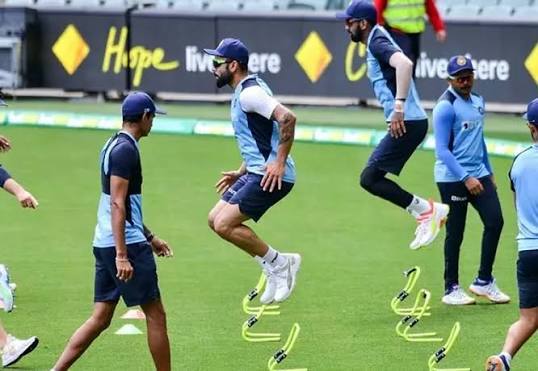
Jump Training Drill
Jump exercises improve explosive power.
You can perform:
- Squat jumps
- Box jumps
- Standing jumps
Benefits:
- Improves leg strength
- Increases speed
- Helps bowlers generate power
Wicketkeeping Training Drills
Wicketkeepers need quick hands and sharp reflexes.
Tennis Ball Catch Drill
Stand close to a wall and throw a tennis ball against it.
Catch the rebound cleanly.
Benefits:
- Improves reflexes
- Improves hand speed
- Builds concentration
Side Movement Drill
Move left and right while catching balls.
Focus on keeping a low body position.
Benefits:
- Improves footwork
- Builds balance
- Helps during matches
Glove Collection Drill
Ask a partner to throw balls at different heights.
Collect every ball cleanly using proper technique.
Benefits:
- Improves catching ability
- Builds confidence
- Reduces mistakes
Solo Cricket Training Drills
Many players do not always have training partners. These drills help you practice alone.
Wall Batting Drill
Hit a tennis ball against a wall and play the rebound.
Benefits:
- Improves reactions
- Improves timing
- Helps batting practice at home
Wall Catching Drill
Throw the ball against a wall and catch it repeatedly.
Benefits:
- Improves catching
- Builds reflexes
- Requires very little space
Shadow Bowling Drill
Practice your bowling action without releasing the ball.
Benefits:
- Improves technique
- Builds muscle memory
- Helps fix bowling errors
Weekly Cricket Drill Routine
A proper routine keeps training balanced.
Monday
- Shadow batting
- Sprint drills
- Wall catching
Tuesday
- Target bowling
- Shuttle runs
- Ground fielding
Wednesday
- Recovery and light practice
Thursday
- Batting drills
- Catching drills
- Fitness exercises
Friday
- Bowling drills
- Fielding practice
Saturday
- Match simulation drills
Sunday
- Rest and recovery
This routine helps players improve all cricket skills together.
Common Mistakes During Cricket Training
Many players train hard but still struggle. Small mistakes often slow progress.
Avoid these mistakes:
- Skipping warm-up sessions
- Practicing without a plan
- Ignoring fitness training
- Using poor technique
- Training only one skill
- Avoiding recovery days
Focus on quality practice instead of long practice sessions.
Tips to Get Better Results from Cricket Training Drills
Good training habits can speed up improvement.
Follow these tips:
- Practice regularly
- Stay hydrated
- Wear proper equipment
- Set training goals
- Track your progress
- Focus on technique first
- Stay consistent
Even 30 minutes of focused practice can make a big difference.
Conclusion
Cricket training drills help players improve every part of their game. Batting drills improve timing and technique. Bowling drills improve accuracy and control. Fielding drills build confidence and reflexes. Fitness drills increase stamina and speed.
The secret is consistency. Practice these cricket training drills regularly and focus on proper technique. Over time, you will notice better performance, more confidence, and stronger results on the cricket field.
FAQs
What are cricket training drills?
Cricket training drills are practice exercises that help players improve batting, bowling, fielding, fitness, and wicketkeeping skills.
How often should I do cricket training drills?
Most players should practice three to six days each week. Consistent training produces the best results.
Which batting drill is best for beginners?
Shadow batting is one of the best drills for beginners. It improves footwork, balance, and technique.
How can I improve my bowling accuracy?
Use target bowling drills and single stump drills. These exercises improve line and length control.
Can I practice cricket drills at home?
Yes. Wall batting, wall catching, shadow batting, and shadow bowling are excellent home practice drills.
Are fitness drills important for cricket?
Yes. Fitness drills improve speed, stamina, agility, and overall performance during matches.
What equipment do I need for cricket training drills?
Basic equipment includes a cricket bat, cricket ball, cones, stumps, and protective gear. Many drills can also be done with a tennis ball.


