
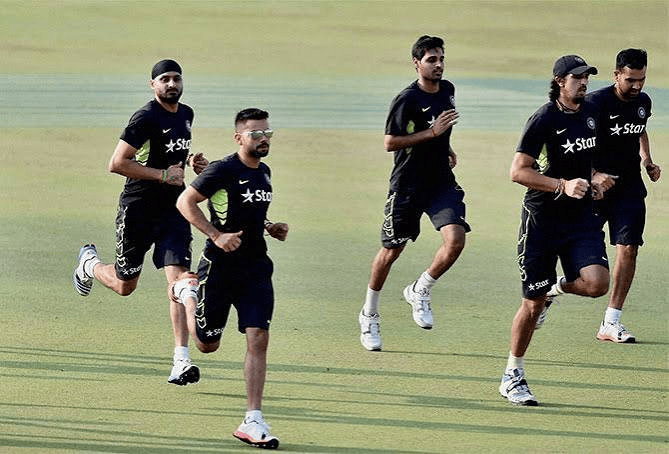

Cricket is a game that needs speed, balance, strength, and focus. Many players spend hours practicing batting and bowling. However, they often ignore one important part of training. That part is the warm-up.
As an experienced cricket blogger, I always tell players that a good warm-up can improve performance and reduce injury risk. It prepares your body and mind for the game. It also helps you move faster and react better on the field.
Why Cricket Warm Up Exercises Are Important
A proper warm-up prepares your muscles for movement. It increases blood flow and improves flexibility. Your body becomes ready for quick actions.
Warm-up exercises also help players stay active and focused. They reduce stiffness and make movement easier during practice or matches.
Benefits of Cricket Warm Up Exercises
- Improve blood circulation
- Increase body temperature
- Reduce injury risk
- Improve flexibility
- Enhance reaction time
- Boost concentration
- Prepare muscles for hard work
Image Suggestion: Cricket Players Doing Warm-Up Drills

Start With Light Jogging
Light jogging is one of the best ways to begin a warm-up session. It gradually increases your heart rate and wakes up your muscles.
Jog around the field for a few minutes before moving to other exercises.
How to Do It
- Jog slowly for 3 to 5 minutes
- Keep your shoulders relaxed
- Breathe naturally
- Increase speed slightly near the end
Benefits
- Improves blood flow
- Activates leg muscles
- Prepares the body for movement
Dynamic Stretching Exercises
Dynamic stretches involve movement. They help improve flexibility without making muscles feel loose or weak.
Perform these stretches after jogging.
Arm Circles
Arm circles warm up the shoulders and arms. These muscles work hard during batting, bowling, and fielding.
Steps
- Extend both arms sideways
- Make small circles
- Slowly increase circle size
- Reverse the direction
Leg Swings
Leg swings improve hip mobility and flexibility.
Steps
- Hold a wall or partner for balance
- Swing one leg forward and backward
- Repeat with the other leg
Torso Twists
Torso twists prepare the upper body for batting and throwing.
Steps
- Stand with feet shoulder-width apart
- Rotate your upper body from side to side
- Keep movements smooth
High Knees Exercise
High knees are excellent for increasing heart rate. They also improve coordination and running speed.
This exercise prepares players for quick movements on the field.
Steps
- Stand upright
- Lift knees toward your chest
- Move arms naturally
- Continue for 30 seconds
Benefits
- Activates core muscles
- Improves balance
- Increases agility
Butt Kicks
Butt kicks target the hamstrings and improve running form. They are easy to perform and very effective.
Add them to every warm-up session.
Steps
- Jog in place
- Kick your heels toward your hips
- Keep your back straight
- Continue for 30 seconds
Benefits
- Warms up leg muscles
- Improves flexibility
- Enhances movement speed
Image Suggestion: Dynamic Warm-Up Drills
Side Shuffles
Cricket players move sideways during fielding. Side shuffles prepare the body for these movements.
This exercise improves footwork and coordination.
Steps
- Bend your knees slightly
- Move sideways quickly
- Keep your chest up
- Shuffle both directions
Benefits
- Improves lateral movement
- Builds agility
- Enhances fielding skills
Lunges
Lunges strengthen the lower body and improve balance. They also stretch the hips and thighs.
Perform them with control and good posture.
Steps
- Step forward with one leg
- Lower your body slowly
- Keep the front knee above the ankle
- Return to the starting position
Benefits
- Activates leg muscles
- Improves balance
- Increases flexibility
Walking Lunges With Rotation
This exercise combines lower-body movement with upper-body mobility. It is useful for bowlers and batters.
It prepares the whole body for cricket actions.
Steps
- Perform a walking lunge
- Rotate your upper body toward the front leg
- Return to center
- Continue moving forward
Skipping Rope
Skipping is a simple but powerful warm-up exercise. It improves foot speed and coordination.
Many professional players use skipping before training.
Steps
- Hold the rope handles
- Jump lightly on your feet
- Maintain a steady rhythm
- Continue for 1 to 2 minutes
Benefits
- Improves fitness
- Increases foot speed
- Enhances coordination
Agility Ladder Drills
Agility ladder drills help players move quickly and accurately. They improve footwork, which is important in cricket.
You can use different patterns for variety.
Popular Ladder Drills
- One foot in each box
- Two feet in each box
- Side steps
- In-and-out steps
Benefits
- Faster foot movement
- Better balance
- Improved coordination
Sprint Drills
Cricket requires short bursts of speed. Sprint drills prepare players for quick runs and fast fielding efforts.
Always perform sprints after basic warm-up exercises.
Steps
- Mark a short distance
- Sprint at high speed
- Walk back for recovery
- Repeat several times
Benefits
- Builds explosive power
- Improves running speed
- Enhances match fitness
Image Suggestion: Sprint and Agility Training


Shoulder Mobility Exercises
Healthy shoulders are important for bowling and throwing. Mobility exercises improve movement and reduce strain.
Spend a few minutes on shoulder preparation.
Exercises to Try
- Arm swings
- Shoulder rolls
- Resistance band pulls
- Cross-body arm stretches
Benefits
- Better shoulder movement
- Reduced injury risk
- Improved throwing power
Wrist and Forearm Warm-Up
Batters and bowlers use their wrists constantly. Warming up these areas improves control and comfort.
Simple wrist movements can make a big difference.
Exercises
- Wrist circles
- Palm stretches
- Finger extensions
- Light grip squeezes
Benefits
- Improved grip strength
- Better bat control
- Reduced stiffness
Cool Down After Practice
Many players focus only on warming up. However, cooling down is also important.
A cool-down helps the body recover after training.
Cool-Down Activities
- Slow jogging
- Walking
- Gentle stretching
- Deep breathing
Benefits
- Reduces muscle soreness
- Supports recovery
- Improves flexibility
Common Warm-Up Mistakes
Some players rush through their warm-up. Others skip it completely. These mistakes can affect performance.
Avoid these common errors.
Mistakes to Avoid
- Starting too fast
- Skipping stretching
- Doing only static stretches
- Ignoring shoulder warm-up
- Warming up for less than five minutes
Sample Cricket Warm-Up Routine
A simple routine can help players stay consistent. Follow this plan before matches or training sessions.
15-Minute Warm-Up Plan
Minutes 1-3
- Light jogging
Minutes 4-6
- Arm circles
- Leg swings
- Torso twists
Minutes 7-9
- High knees
- Butt kicks
Minutes 10-12
- Side shuffles
- Walking lunges
Minutes 13-15
- Short sprints
- Shoulder mobility exercises
Final Thoughts
Cricket warm up exercises are essential for every player. They prepare the body for action and help prevent injuries. A proper warm-up also improves speed, flexibility, and focus.
Make warm-up exercises a regular part of your cricket routine. Even a short session can improve your performance on the field. Stay consistent and give your body the preparation it needs before every match and training session.
FAQs About Cricket Warm Up Exercises
1. How long should a cricket warm-up last?
A cricket warm-up should last between 10 and 20 minutes. The exact time depends on the intensity of the session.
2. Why are warm-up exercises important in cricket?
Warm-up exercises prepare the muscles and joints for activity. They also help reduce injury risk and improve performance.
3. What is the best warm-up exercise before cricket?
Light jogging is one of the best starting exercises. It increases blood flow and prepares the body for movement.
4. Should bowlers do extra warm-up exercises?
Yes. Bowlers should pay extra attention to shoulder, back, and hip mobility exercises before training or matches.
5. Can warm-up exercises improve fielding performance?
Yes. Warm-up drills improve agility, reaction time, and movement speed, which are important for fielding.
6. Are static stretches good before cricket?
Dynamic stretches are usually better before cricket. Static stretches are more useful after training during the cool-down phase.
7. How often should cricket players warm up?
Players should warm up before every practice session and match. Consistency helps improve performance and reduce injuries.


