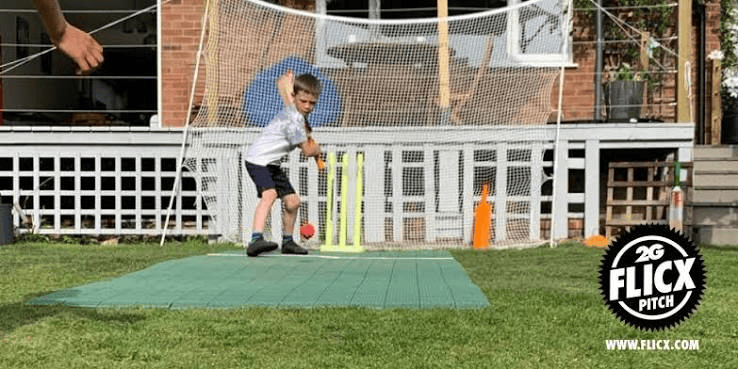

Cricket is one of the most popular sports in the world. Many people love to play it with friends and family. However, you do not always need a large ground to enjoy cricket. You can play cricket at home and still improve your skills.
Whether you have a backyard, a small garden, a driveway, or even a room indoors, you can practice and enjoy cricket. In this guide, I will explain how to play cricket at home in a simple and safe way.
Why Play Cricket at Home?
Playing cricket at home is a great way to stay active. It also helps you improve your batting, bowling, and fielding skills. You can practice whenever you have free time.
Home cricket is also fun because:
- It saves travel time.
- You can practice daily.
- It improves fitness.
- It helps beginners learn the game.
- It builds confidence.
Choose the Right Playing Area
Before you start, find a safe place to play. The area does not need to be large. You only need enough space to move comfortably
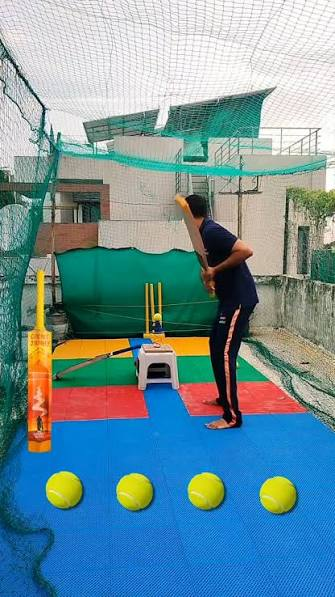
Good places include:
- Backyard
- Garden
- Driveway
- Rooftop
- Garage
- Large room
Make sure the area is free from dangerous objects. Remove anything that could break or cause injury.
Use Soft Cricket Equipment
Safety should always come first. Hard cricket balls can damage property and cause injuries. Soft equipment works best for home cricket.
You can use:
- Tennis balls
- Soft cricket balls
- Plastic bats
- Lightweight stumps
Soft balls make the game safer and more enjoyable.
Set Up a Simple Cricket Pitch
You do not need a professional cricket pitch. A simple setup works perfectly at home. Mark a small playing area using cones, tape, or chalk.
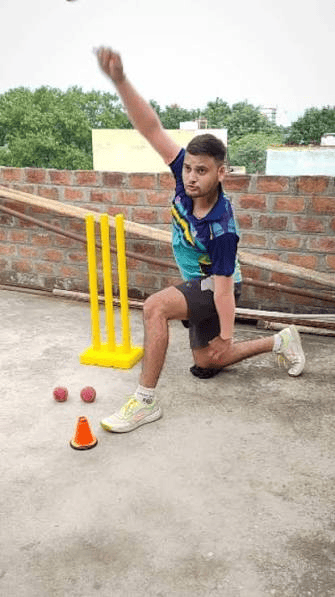
Basic setup:
- Batting area
- Bowling area
- Wicket area
- Fielding zone
Keep the pitch size according to the available space.
Learn Basic Cricket Rules
Understanding the rules makes the game more fun. Home cricket often uses simple rules.
Some basic rules include:
- One player bats.
- Another player bowls.
- Runs count when the batter hits the ball.
- A catch means the batter is out.
- Hitting the wicket means out.
You can also create custom rules for your home games.
Practice Batting at Home
Batting is one of the most exciting parts of cricket. You can improve your batting skills even in a small space.
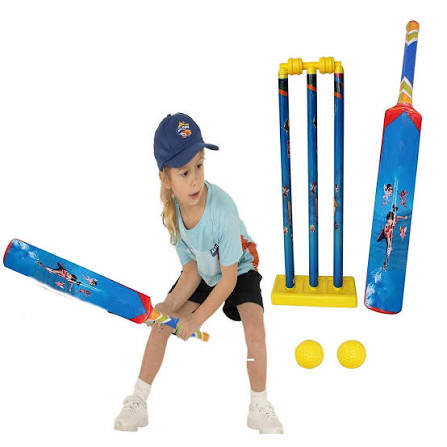
Start with simple drills:
Shadow Batting
Stand with your bat and practice shots without a ball.
Benefits:
- Improves balance
- Builds muscle memory
- Improves footwork
Tennis Ball Batting
Ask a family member to throw a tennis ball.
Practice:
- Straight drives
- Defensive shots
- Pull shots
- Cover drives
Focus on timing instead of power.
Wall Rebound Drill
Hit the ball gently against a wall and play the returning ball.
This drill helps improve:
- Hand-eye coordination
- Reaction speed
- Shot control
Practice Bowling at Home
Bowling practice is easy when you have a target. You do not need a large area.
Target Bowling
Place a bucket, cone, or marker near the stumps.
Try to hit the target regularly.
Benefits:
- Better accuracy
- Improved control
- Consistent line and length
Single Stump Challenge
Use one stump or a stick as a target.
Try to hit it repeatedly while bowling.
This simple drill helps improve precision.
Run-Up Practice
Practice your bowling run-up without releasing the ball.
This helps you:
- Build rhythm
- Improve balance
- Develop consistency
Improve Fielding Skills
Fielding is an important part of cricket. Good fielders save runs and create chances for wicket
Wall Catching Drill
Throw the ball against a wall and catch it when it returns.
This improves:
- Catching skills
- Reflexes
- Hand coordination
Ground Ball Practice
Roll the ball along the ground and stop it quickly.
Focus on:
- Fast movement
- Clean pickup
- Accurate return throws
High Catch Practice
Throw the ball upward and catch it safely.
Start with easy catches before trying higher ones.
Play Cricket With Family Members
Home cricket becomes more exciting when everyone joins. Family games create fun memories and improve teamwork.
You can organize:
- One-on-one matches
- Parent versus kids games
- Mini family tournaments
Everyone can enjoy the game regardless of age.
Create Fun Home Cricket Rules
Every home has different space limitations. Custom rules help make the game fair and enjoyable.
Some examples include:
- One bounce catch is out.
- Six runs for hitting a certain wall.
- Four runs for hitting a marked area.
- Lost ball means minus runs.
- Limited overs per player.
Creative rules make home cricket more exciting.
Use Household Items as Cricket Equipment
You do not always need professional gear. Many household items work well for home cricket.
Examples:
- Bucket as stumps
- Tape as crease lines
- Plastic bottle as target
- Soft ball as cricket ball
These simple items help you start playing immediately.
Indoor Cricket at Home
Bad weather should not stop your cricket practice. Indoor cricket is a great option.
Use a soft ball and create a safe playing area.
Indoor activities include:
- Shadow batting
- Catch practice
- Bowling accuracy drills
- Fitness exercises
Always protect furniture and fragile items.
Improve Fitness for Cricket
Fitness plays a major role in cricket performance. Home workouts help players become stronger and faster.
Simple exercises include:
- Running in place
- Jumping jacks
- Squats
- Push-ups
- Planks
Try to exercise for at least 15 to 20 minutes daily.
Cricket Drills for Kids at Home
Kids can learn cricket quickly through simple drills. These activities keep practice fun and engaging.
Easy drills:
- Cone running races
- Soft ball catching
- Target throwing
- Batting practice with tennis balls
Keep sessions short and enjoyable.
Common Mistakes to Avoid
Many beginners make simple mistakes while playing cricket at home. Avoiding these mistakes helps you improve faster.
Common mistakes:
- Using hard balls in small spaces
- Ignoring safety rules
- Swinging the bat too hard
- Skipping warm-up exercises
- Practicing without focus
Always play safely and stay disciplined.
Safety Tips for Home Cricket
Safety should always be your first priority. A few simple precautions can prevent accidents.
Important safety tips:
- Use soft balls.
- Wear proper shoes.
- Clear the playing area.
- Stay away from windows.
- Warm up before playing.
- Follow simple rules.
Safe play makes cricket more enjoyable for everyone.
Benefits of Playing Cricket at Home
Home cricket offers many benefits beyond entertainment. Regular practice improves both physical and mental skills.
Benefits include:
- Better coordination
- Improved fitness
- Faster reflexes
- Greater confidence
- Stronger concentration
- Better cricket skills
Consistent practice leads to steady improvement.
Conclusion
Learning how to play cricket at home is simple and fun. You do not need a large ground or expensive equipment. A small space, a soft ball, and regular practice are enough to get started.
Focus on batting, bowling, fielding, and fitness drills. Play safely and practice often. Over time, you will notice big improvements in your cricket skills. Home cricket is a great way to enjoy the game while spending quality time with family and friends.
FAQs
Can I play cricket at home without a cricket bat?
Yes. You can use a plastic bat, wooden stick, or other safe alternatives for practice.
What ball is best for home cricket?
A tennis ball or soft cricket ball is best because it is safer and less likely to cause damage.
Is cricket practice at home effective?
Yes. Regular home practice improves batting, bowling, fielding, fitness, and coordination.
How much space do I need to play cricket at home?
You only need a small safe area such as a backyard, driveway, garage, or large room.
Can children learn cricket at home?
Yes. Children can learn basic cricket skills through simple drills and family games at home.
How often should I practice cricket at home?
Try to practice at least 20 to 30 minutes a day for steady improvement.
Is indoor cricket safe?
Yes. Indoor cricket is safe when you use soft balls and clear the area of breakable items.
What is the easiest cricket drill for beginners?
Wall catching drills and shadow batting are simple and effective drills for beginners.