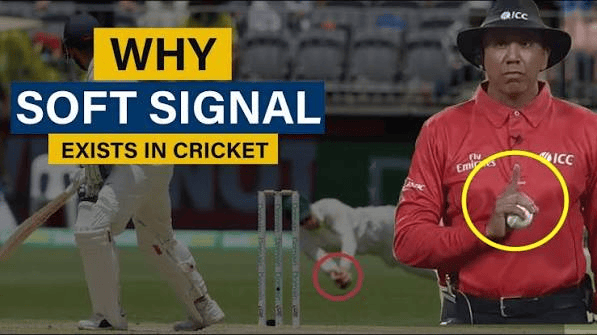

Cricket rules keep changing to make the game fair and easy to understand. One rule that created many debates was the soft signal rule. Many fans, players, and experts felt this rule caused confusion during close catch decisions.
Today, the soft signal rule is no longer part of international cricket. In this article, I will explain the updated status of the soft signal rule, why the ICC removed it, and how decisions are made now. As an expert cricket blogger, I will keep everything simple and easy to follow.

What Was the Soft Signal Rule in Cricket?
The soft signal rule was used when on-field umpires were not fully sure about a catch. This mostly happened during low catches or boundary catches.
Before sending the decision to the TV umpire, the on-field umpire had to give an initial opinion. This opinion was called the soft signal.
How the Rule Worked
- The umpire gave a soft signal of OUT or NOT OUT.
- The decision then went to the TV umpire.
- The TV umpire checked different camera angles.
- If video evidence was not clear, the soft signal remained the final decision.
This rule gave importance to the first opinion of the on-field umpire.
Why Was the Soft Signal Rule Introduced?
The rule came into cricket to help officials make decisions when video evidence was unclear. Technology was not as advanced as it is today.
The ICC believed the on-field umpire’s view could help in difficult situations.
Main Reasons Behind the Rule
- To support the TV umpire.
- To avoid long decision-making delays.
- To provide a starting point during reviews.
- To help when camera angles were not clear.
At that time, many people believed the rule was useful.

Why Did the Soft Signal Rule Become Controversial?
Over time, the rule started creating problems. Many controversial decisions happened in international matches.
Fans often questioned why the on-field umpire’s guess carried so much weight when television cameras offered better views.
Common Complaints About the Rule
- Umpires sometimes stood far away from the catch.
- The first opinion could influence the final result.
- Different umpires used the rule differently.
- Fans found the process confusing.
- Players often disagreed with decisions.
Many cricket experts said the TV umpire should make the final decision without depending on a soft signal.
Famous Matches Where Soft Signal Created Debate
Several international matches brought attention to the soft signal rule. Some catches looked unclear even after many replays.
These moments increased pressure on the ICC to review the rule.
Examples of Controversial Decisions
- India vs England close catches.
- Australia vs India disputed catches.
- Pakistan vs New Zealand low catch reviews.
- Several ICC tournament matches.
In many cases, fans argued that the original soft signal affected the final outcome.
Updated Status of the Soft Signal Rule
The biggest change came in 2023. The International Cricket Council officially removed the soft signal rule from international cricket playing conditions. The change took effect on 1 June 2023. The ICC stated that on-field umpires would no longer be required to give a soft signal before referring a decision to the TV umpire. (icc)
This was one of the most important rule updates in modern cricket.
Current Status
- The soft signal rule has been removed.
- On-field umpires do not give OUT or NOT OUT opinions before referral.
- The TV umpire reviews the incident directly.
- The final decision comes after consultation between officials. (icc)
So if you are searching for the updated status of the soft signal rule in cricket, the answer is simple: the rule has been abolished in international cricket. (icc)
Why Did the ICC Remove the Soft Signal Rule?
The ICC reviewed feedback from players, officials, commentators, and cricket committees.
After long discussions, the governing body decided that the rule was no longer necessary.
Reasons for Removal
- Modern technology became more reliable.
- Better camera angles became available.
- The rule often confused viewers.
- Umpires felt pressure when giving early opinions.
- Experts believed the TV umpire should decide independently.
The ICC Cricket Committee concluded that soft signals were unnecessary and sometimes confusing. (icc)

How Are Catch Decisions Made Now?
The process is now more direct. The TV umpire plays a bigger role in making decisions.
When a catch is doubtful, the on-field umpires consult the TV umpire without giving a soft signal first. (icc)
Current Review Process
- A catch is questioned.
- The decision goes upstairs.
- The TV umpire checks all replays.
- Different camera angles are reviewed.
- The TV umpire reaches a conclusion.
- The final decision is communicated to the field.
This process removes the influence of an early guess.
Benefits of Removing the Soft Signal Rule
Many cricket followers welcomed the change. Players and experts felt it made the game fairer.
The new system focuses more on evidence and less on opinion.
Major Benefits
- More accurate decisions.
- Less confusion for fans.
- Better use of technology.
- Greater consistency.
- Reduced pressure on on-field umpires.
These benefits have helped improve confidence in the review system.
Are There Any Disadvantages?
Some people still believe the old rule had value. They argue that the on-field umpire’s view could help in difficult situations.
However, most cricket experts support the new approach.
Concerns Raised by Critics
- Some decisions remain difficult even with technology.
- Camera angles may still be limited.
- Very close catches can remain unclear.
Despite these concerns, support for removing the rule remains strong.
Impact on International Cricket
The removal of the soft signal rule changed the way officials handle close catches.
Players now know that the TV umpire’s decision comes from video evidence rather than an early opinion.
Positive Impact
- More trust in decisions.
- Better match management.
- Fewer arguments over soft signals.
- Improved viewing experience.
The change has made cricket easier for fans to understand.
What Players and Experts Think
Many former cricketers supported the removal of the rule. They felt the game should rely on technology instead of guesses.
Commentators also welcomed the update because it simplified the review process.
Common Opinions
- Technology should lead decision-making.
- Soft signals created unnecessary debates.
- The new system is easier to explain.
- Fans can accept decisions more easily.
These views helped shape the ICC’s final decision.
Future of Umpiring in Cricket
Cricket continues to use advanced technology. Every year, officials look for ways to improve accuracy.
The removal of the soft signal rule shows that the ICC is willing to update rules when needed.
Possible Future Improvements
- Better camera coverage.
- Faster replay systems.
- More advanced ball-tracking tools.
- Improved review technology.
These changes could make cricket even fairer in the future.
Conclusion
The soft signal rule was once an important part of cricket. It helped umpires during difficult catch decisions. However, the rule became controversial because many people felt it created confusion.
The ICC officially removed the soft signal rule from international cricket in June 2023. Today, TV umpires make decisions without receiving an OUT or NOT OUT soft signal from on-field officials. This change has made reviews clearer, simpler, and more reliable. (icc)
For cricket fans, the updated status is clear. The soft signal rule is no longer used in international cricket, and modern technology now plays the leading role in close catch decisions.
FAQs
What is the soft signal rule in cricket?
The soft signal rule was an initial OUT or NOT OUT opinion given by the on-field umpire before a catch review went to the TV umpire.
Is the soft signal rule still used in cricket?
No. The ICC removed the soft signal rule from international cricket in June 2023. (icc)
Why did the ICC remove the soft signal rule?
The ICC felt the rule caused confusion and was unnecessary because modern technology provides better evidence. (icc)
When was the soft signal rule abolished?
The rule was officially removed on 1 June 2023. (icc)
Who makes catch decisions now?
The TV umpire reviews the evidence and works with the on-field officials before the final decision is announced. (icc)
Did players support the removal of the soft signal rule?
Many players, former cricketers, and commentators supported the decision because they wanted technology to have a bigger role in reviews.
Does removing the soft signal rule make cricket fairer?
Many experts believe it does because decisions now depend more on video evidence and less on an umpire’s initial opinion.